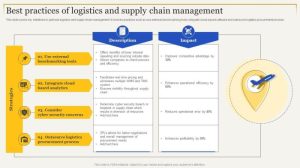
Efficient logistics and inventory management are the cornerstones of a thriving business, impacting everything from profitability to customer satisfaction. This exploration delves into the intricate dance between effectively moving goods and strategically managing stock levels. We’ll examine proven techniques, cutting-edge technologies, and best practices to illuminate how organizations can streamline their supply chains, reduce costs, and gain a competitive edge.
From understanding core principles like FIFO and LIFO to leveraging advanced Warehouse Management Systems (WMS) and the power of data analytics, we’ll cover a comprehensive range of strategies. We will also consider the crucial interplay between inventory management and overall financial health, exploring how efficient processes directly contribute to improved liquidity and cash flow. Ultimately, this discussion aims to equip readers with a practical understanding of how to optimize their logistics and inventory operations.
The Impact of Technology on Logistics and Inventory Management
The integration of technology is revolutionizing logistics and inventory management, driving efficiency, reducing costs, and enhancing overall supply chain performance. This transformation is fueled by advancements in automation, data analytics, and connectivity, creating a more responsive and intelligent system for managing the flow of goods.
Automation Technologies Transforming Logistics
Automation technologies, including robotics and artificial intelligence (AI), are significantly reshaping the logistics landscape. Robotics are increasingly deployed in warehouses for tasks such as picking, packing, and sorting, improving speed and accuracy while reducing labor costs and human error. AI-powered systems optimize routing and scheduling, predict demand fluctuations, and enhance warehouse management through intelligent inventory allocation and order fulfillment.
For instance, Amazon’s extensive use of robotic systems in its fulfillment centers exemplifies the transformative power of automation in streamlining logistics operations. These systems handle millions of packages daily with unprecedented speed and efficiency, reducing delivery times and improving customer satisfaction.
Data Analytics for Inventory Optimization
Data analytics plays a crucial role in optimizing inventory levels and reducing holding costs. By analyzing historical sales data, market trends, and other relevant factors, businesses can accurately forecast demand, minimize stockouts, and prevent overstocking. Sophisticated algorithms identify patterns and anomalies, enabling proactive adjustments to inventory strategies. For example, predictive analytics can identify seasonal peaks in demand, allowing businesses to proactively increase inventory levels to meet anticipated customer needs.
This prevents stockouts during peak periods, avoiding lost sales and maintaining customer satisfaction. Real-time data visualization dashboards provide managers with immediate insights into inventory levels, enabling informed decision-making and swift responses to changing market conditions.
Blockchain Technology Enhancing Supply Chain Transparency
Blockchain technology offers a secure and transparent way to track goods throughout the entire supply chain. By recording every transaction on a distributed ledger, blockchain enhances traceability and accountability, reducing the risk of counterfeiting and improving product authenticity verification. This increased transparency allows businesses to quickly identify and address issues, improving response times to disruptions and enhancing overall supply chain resilience.
For example, in the food industry, blockchain is used to track the origin and journey of food products, providing consumers with complete visibility into the supply chain and ensuring food safety. This enhanced transparency builds trust and confidence, benefiting both businesses and consumers.
IoT Devices Improving Real-Time Inventory Tracking
The Internet of Things (IoT) is revolutionizing real-time inventory tracking through the use of sensors and connected devices. RFID tags, barcode scanners, and other IoT devices provide continuous updates on inventory levels, location, and condition. This real-time data allows for immediate adjustments to inventory management strategies, minimizing stockouts and preventing obsolescence. For instance, a retailer might use IoT sensors to monitor shelf stock levels in real-time.
When a product’s stock falls below a predetermined threshold, the system automatically generates an order to replenish the inventory. This ensures that shelves are always stocked and minimizes the risk of lost sales due to out-of-stock items. Furthermore, IoT devices can monitor environmental conditions such as temperature and humidity, ensuring product quality and extending shelf life.
Mastering logistics and inventory management is not merely about efficient storage and transportation; it’s about strategic decision-making that underpins a company’s entire operational framework. By integrating best practices, embracing technological advancements, and prioritizing data-driven insights, organizations can achieve significant improvements in cost efficiency, responsiveness, and overall profitability. The journey towards optimized supply chain management is an ongoing process of refinement and adaptation, and this exploration provides a solid foundation for navigating this crucial aspect of business success.
FAQ
What is the difference between FIFO and LIFO?
FIFO (First-In, First-Out) assumes that the oldest inventory is sold first, while LIFO (Last-In, First-Out) assumes the newest inventory is sold first. These methods impact cost of goods sold and inventory valuation.
How can I calculate my inventory turnover rate?
Inventory turnover rate is calculated by dividing the cost of goods sold by the average inventory value. A higher turnover rate generally indicates efficient inventory management.
What is the role of a 3PL provider?
A 3PL (Third-Party Logistics) provider offers outsourced logistics services, such as warehousing, transportation, and order fulfillment, allowing businesses to focus on core competencies.
How does blockchain technology impact logistics?
Blockchain enhances supply chain transparency and traceability by providing a secure, immutable record of goods movement throughout the supply chain.